Snorkelling in Zanzibar: Best Spots and Tips (2026–2027)
By the Resilience Zanzibar Tours team · Last reviewed 6 October 2026
The short answer
Best overall: Mnemba Atoll, with clear water, coral gardens and turtles, reached by boat from the north coast.
Quieter alternative: Chumbe Island Coral Park, a protected reef near Stone Town.
Easiest for beginners and children: Prison Island and the sandbank trips, with shallow, sheltered water.
Best time: morning, on a calm day, and often from October to March when the sea is calmer.
Always: snorkel with a guide, wear a life jacket if you are not confident, and never touch coral, turtles or sea urchins.
Zanzibar's reefs are warm, clear and easy to reach, which makes snorkelling one of the best things to do on the island. You do not need any training, most trips provide the gear, and the best spots are a short boat ride from the shore. But the quality varies a lot from place to place, and conditions change with the tide, the wind and the season. This guide covers the best spots, what you can expect to see and how to get the most from the water, safely and without harming the reef. For how the main boat trips compare, see which Zanzibar sea trip is best.
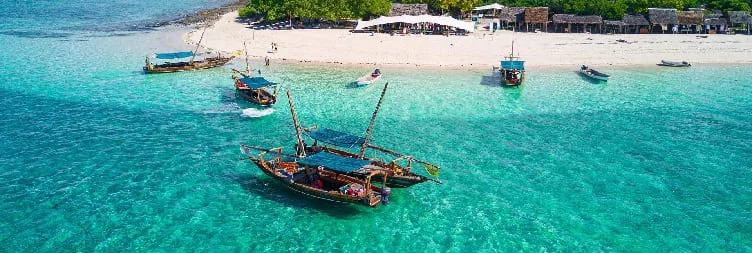
Clear water and shallow coral make Zanzibar's reefs ideal for snorkelling.
The best snorkelling spots in Zanzibar
North-east coast · the best known
1. Mnemba Atoll
A protected marine area around a small private island, with clear water, healthy coral gardens, colourful reef fish and regular turtle sightings. It is the most popular and, in good conditions, the best snorkelling in Zanzibar. Boats leave in the morning from Nungwi, Kendwa and Matemwe, and usually include two snorkelling stops. You cannot land on Mnemba Island itself.
A small private reef sanctuary near Stone Town, with healthy hard coral, a managed marine area and limited visitor numbers, plus a forest walk on the island. It is a quieter alternative to Mnemba and good for people who prefer fewer boats. Access is limited and the schedule is seasonal, so book in advance and confirm availability.
A conservation area of sandbanks and coral patches. Snorkelling here is pleasant rather than spectacular, but it is part of a full day on a dhow with a dolphin search, a sandbank and a seafood lunch, so most people go for the whole experience.
A small island a short boat ride from Stone Town, with a reef just off the beach. The snorkelling is basic, but the water is shallow and sheltered, which makes it a good first snorkel for children and nervous swimmers, and you can combine it with the giant tortoises.
Reached by:
Boat, about 20 minutes
Level:
Beginner and children
You may see:
Small reef fish, coral patches
Keep in mind:
Visibility can be reduced after rain or at some tides
A white sandbank in the sea off Stone Town, with shallow, clear water around it and a nearby reef patch for snorkelling. The experience is more about the sandbank and the setting than the reef, and it works well for short stays and families.
Early-morning boat trips from Kizimkazi look for the bottlenose and humpback dolphins that live off the south coast, and some include snorkelling. Responsible operators keep their distance and limit time near the animals, and you should not chase or crowd them. Sightings are likely but never guaranteed.
Reached by:
Traditional boat from Kizimkazi
Level:
All levels
You may see:
Dolphins, reef fish
Keep in mind:
Choose operators who follow responsible-viewing rules
There are small reefs and rocky patches close to the shore at Nungwi and Kendwa, which you can reach from the beach or by a short boat ride. They are good for a casual swim and a look at the fish, but the main reefs are further out.
The quality ratings are general and based on typical conditions. Individual days vary a lot with visibility and tide.
What you will see
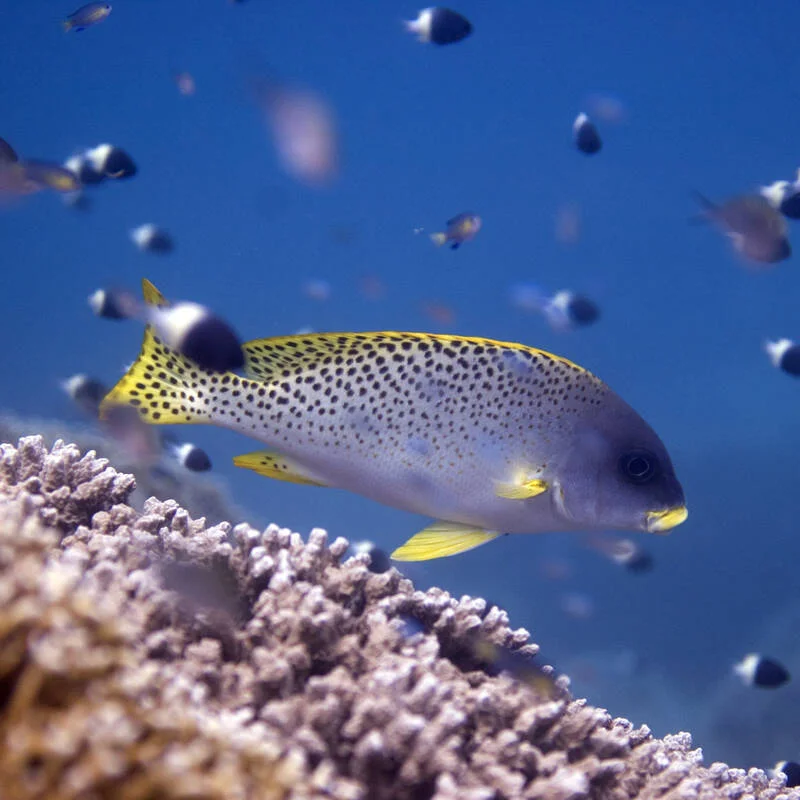
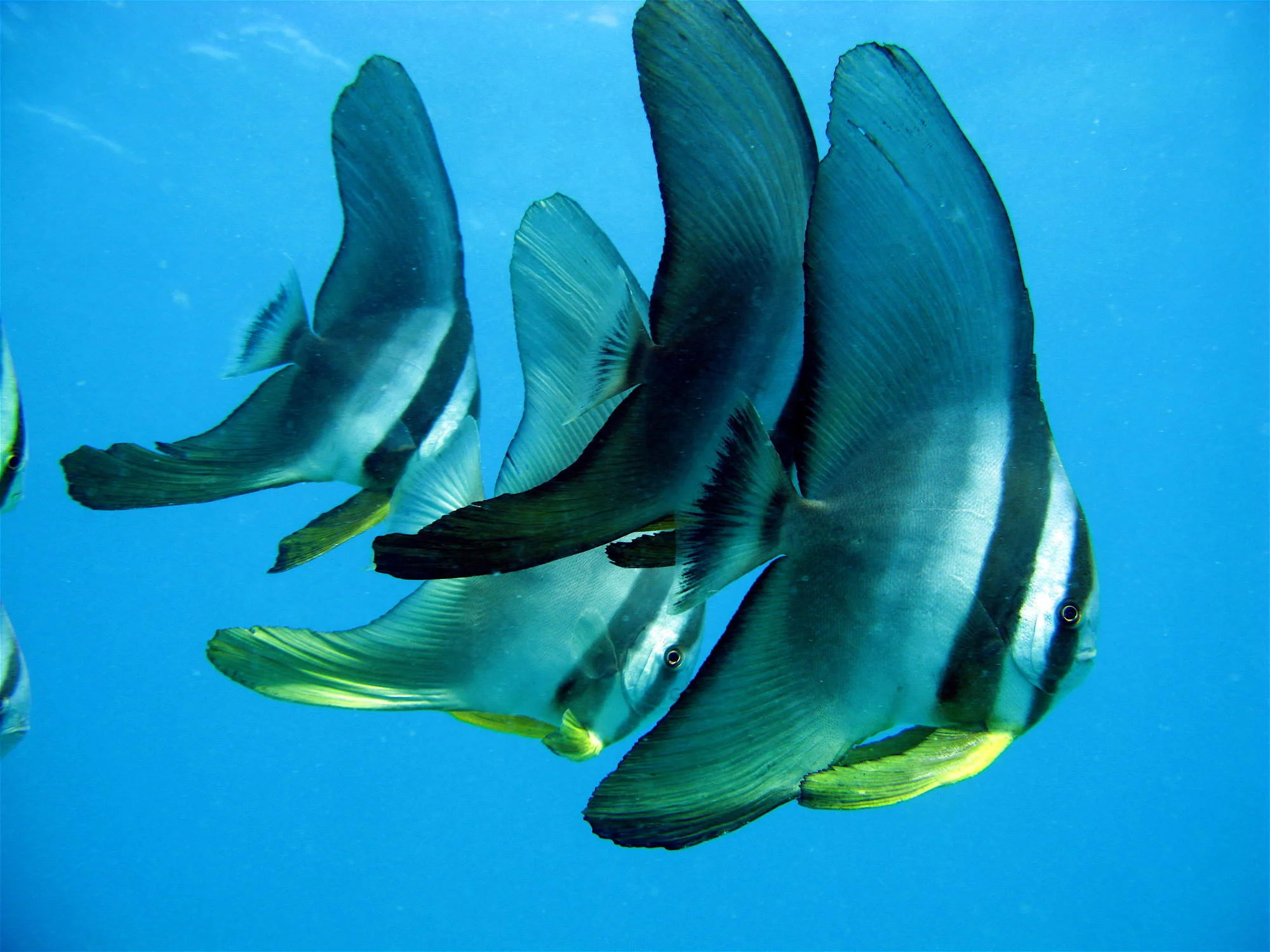
Reef fishParrotfish, angelfish, butterflyfish, damselfish, clownfish, surgeonfish and many more, in schools around the coral.
TurtlesGreen turtles are often seen feeding or resting on the reef at Mnemba and some other spots, but never guaranteed.
Rays and eelsOccasional rays on sandy patches, moray eels in crevices and octopus among the rocks.
Coral and invertebratesHard and soft coral, sea stars, sea cucumbers, anemones and urchins.
DolphinsBottlenose and humpback dolphins live off the south coast and are sometimes seen near Mnemba.
Night and tide poolsOn the east coast at low tide, small creatures in tide pools make an interesting walk.
Marine life varies by day and season, and no sighting is guaranteed. A good guide helps a lot, because they know where creatures rest and how to approach without disturbing them.
Best time to snorkel in Zanzibar
Time of day: early morning has the calmest water, the best light and the fewest boats.
Tide: visibility is often better around high tide or slack water, and strong currents can build at the biggest tides. Your guide will plan around this.
Wind and swell: flat, calm days give the clearest water. Strong winds, especially in July and August, can stir up the surface and make crossings bumpy.
Season: the sea is usually calmest and the visibility good from about October to March, and snorkelling is possible all year. During the April and May rains, runoff and rough seas can reduce visibility.
Get a mask that fits. Press it to your face without the strap and breathe in through your nose. If it stays, it fits. A leaky mask spoils the day, so bring your own if you have one.
Defog before you swim. Rub a little spit or defog gel inside the glass and rinse lightly.
Breathe slowly and relax. Calm, slow breaths keep you buoyant and save energy. Use your fins to move, and keep your arms by your sides.
Use a rash vest or wetsuit. It protects against the sun and stings, and a little buoyancy helps.
Wear reef-safe sunscreen. Apply it well before you get in the water, because some sunscreens damage coral.
Stay with your guide. They know the reef, the current and the wildlife, and they keep an eye on the group.
Go early. You will have the calmest water and the fewest people.
Take an underwater camera or a waterproof pouch. A strap stops it floating away, and a wide-angle lens helps in the clear water.
Take it easy if you get seasick. Choose a short boat ride and see our tips in the sea trip guide.
Safety
Be honest about your swimming. Tell your guide if you are not a confident swimmer. Life jackets are provided on tours, and you should wear one if you have any doubt.
Watch the current. Look up regularly to check where you are relative to the boat, because currents can carry you further than you think.
Do not touch anything. Sea urchins have sharp spines, some corals sting and some fish bite. Wear reef shoes on rocky shores.
Protect your skin. Your back is exposed to the sun while you float, so wear a rash vest and reapply sunscreen after.
Do not snorkel alone. Always go with a buddy or a guide, and never dive down or hold your breath too long if you are not trained.
Check your insurance. Make sure your travel insurance covers snorkelling and boat trips.
Please note: Conditions can change quickly at sea. If your guide says the water is unsuitable, do not argue. Trips are rescheduled or adjusted for safety, as set out in our terms.
Responsible snorkelling
Never touch or stand on coralCoral is a living animal and takes years to recover from damage.
Do not chase or touch turtlesKeep a respectful distance and never grab, ride or feed them.
Keep your distance from dolphinsDo not swim at them, crowd them or follow them, and let them choose to approach.
Use reef-safe sunscreenChoose mineral products and apply them before you get in.
Do not take anythingLeave shells, coral and sea creatures where you find them.
Choose responsible operatorsPick boats and guides who follow marine park rules and limit numbers at each site.
Snorkelling or diving?
Snorkelling is easier, cheaper and needs no training, and Zanzibar's shallow, clear reefs suit it well. Diving takes you deeper, closer to more marine life and lets you stay longer, and Zanzibar has courses for all levels. If you enjoy snorkelling, a Discover Scuba session is a good next step. See our diving courses and fun dives.
Our advice: If you can only do one snorkelling trip, go to Mnemba early in the morning on a calm day. If you are staying in Stone Town, combine the Nakupenda sandbank with Prison Island. For a gentler start, a short trip from Stone Town builds confidence before the open-water crossing to Mnemba.
Snorkelling in Zanzibar: frequently asked questions
Mnemba Atoll off the north-east coast is the best known, with clear water, coral gardens and turtles. Chumbe Island is a quieter alternative near Stone Town, with a protected reef.
Visibility is usually best when the sea is calm and the water is clear, often from October to March, and in the morning. Strong winds in July and August and the rains in April and May can reduce visibility.
Yes. Many trips offer life jackets and guides, and shallow, calm spots such as Prison Island and sheltered parts of Menai Bay suit beginners. Tell your guide if you are not a confident swimmer.
Turtles are often seen at Mnemba and some other reefs, but wildlife sightings are never guaranteed.
Not necessarily, because tour operators provide masks, snorkels and life jackets. Bringing your own mask can give a better fit, and reef shoes help on rocky shores.
In some places, such as parts of Nungwi and Kendwa, but the best reefs need a boat. On the east coast the sea runs far out at low tide, so shore snorkelling is limited and boat trips are better.
Yes, with sensible precautions: snorkel with a guide, wear a life jacket if you are not confident, check conditions and currents, protect yourself from the sun and avoid touching coral and sea urchins.
Snorkelling is easier, cheaper and needs no training, and the shallow reefs are good for it. Diving lets you see deeper reefs and more marine life, and courses are available.
Ready to snorkel in Zanzibar?
Tell us where you are staying and your dates, and we will recommend the best trip and check conditions. We reply within 12 hours. No payment now.